Introduction
The demand for skilled full stack web developers is on the rise as businesses look for professionals who can handle both front-end and back-end development. If you’re considering a career in web development, becoming a Java full stack developer can open doors to exciting opportunities. But what exactly makes a great full stack developer?
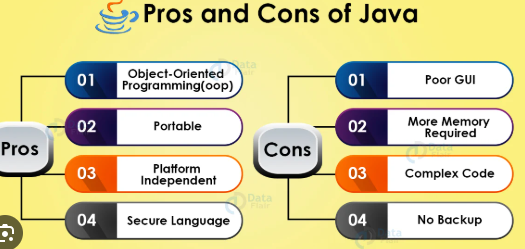
In this guide, we’ll explore the essential qualities, skills, and knowledge areas that define a competent Java full stack developer and why enrolling in a Java full stack developer course can accelerate your career.
1. Proficiency in Front-End and Back-End Development
A full stack developer must be proficient in both front-end and back-end technologies, ensuring smooth user interactions and efficient server-side operations.
Front-End Development Skills
Front-end development is centered around designing and enhancing the user interface and overall experience.. Key skills include:
- HTML, CSS, and JavaScript – Fundamental technologies for structuring and styling web pages.
- React.js, Angular, or Vue.js – Popular frameworks for building dynamic and responsive web applications.
- Responsive Design – Ensuring websites function seamlessly across devices and screen sizes.
- Browser Compatibility – Understanding how different browsers render web pages and optimizing accordingly.
Back-End Development Skills
Back-end development involves handling databases, server logic, and API interactions. Important skills include:
- Java & Spring Boot – Java remains a dominant language for backend development, with Spring Boot streamlining application creation.
- RESTful API Development – Creating APIs that allow front-end and back-end components to communicate.
- Database Management (SQL & NoSQL) – Working with databases like MySQL, PostgreSQL, or MongoDB.
- Authentication & Authorization – Implementing secure login systems using JWT, OAuth, or session-based authentication.
2. Strong Problem-Solving and Analytical Thinking
Full stack developers must have a logical mindset and problem-solving abilities to debug code, optimize applications, and troubleshoot errors efficiently.
Example: A Java developer may encounter a slow-loading web page. By profiling the code, they might find that an unoptimized SQL query is delaying responses. Optimizing the query and using caching techniques can significantly improve performance.
3. Hands-On Experience with Databases
Data management is a critical aspect of web development. A proficient full stack developer should be well-versed in:
- Relational Databases (SQL) – Structured data storage using MySQL, PostgreSQL, etc.
- NoSQL Databases – Managing unstructured data with MongoDB or Firebase.
- ORM Tools – Using Hibernate or JPA to interact with databases efficiently.
4. Understanding of DevOps and Deployment
Full stack developers should have a foundational knowledge of DevOps principles and deployment processes, including:
- Version Control Systems (Git, GitHub) – Tracking changes and collaborating with teams.
- CI/CD Pipelines – Automating testing and deployment processes.
- Cloud Platforms (AWS, Azure, Google Cloud) – Deploying scalable applications.
- Containerization (Docker, Kubernetes) – Managing microservices and application portability.
5. Familiarity with Security Best Practices
Security is crucial in web development. A full stack developer must:
- Prevent SQL injection, XSS (Cross-Site Scripting), and CSRF (Cross-Site Request Forgery).
- Use HTTPS, encryption, and secure authentication methods.
- Regularly update software dependencies to mitigate vulnerabilities.
6. Ability to Work with APIs and Third-Party Services
Modern web applications integrate multiple APIs for enhanced functionality. Key API-related skills include:
- REST and SOAP APIs – Understanding and implementing API requests and responses.
- OAuth and JWT Authentication – Ensuring secure data transmission.
- Payment Gateway Integration – Connecting with services like Stripe or PayPal.
7. Effective Communication and Collaboration Skills
A full stack developer often works in cross-functional teams, collaborating with designers, back-end developers, and project managers. Good communication ensures smooth project execution and problem resolution.
Example: When building an e-commerce site, a developer must coordinate with UI designers for a seamless shopping experience and with back-end engineers for order processing.
8. Adaptability and Continuous Learning
Technology is constantly evolving, and full stack developers must stay updated with:
- New Frameworks and Libraries – Keeping up with updates in React.js, Angular, and Spring Boot.
- Industry Trends – Learning about microservices, blockchain integrations, or AI-enhanced applications.
- Best Coding Practices – Writing clean, maintainable, and efficient code.
9. Hands-On Project Experience
Enrolling in a Java full stack developer training program that includes real-world projects is crucial for gaining practical experience. Hands-on projects help:
- Reinforce learning through real application development.
- Build a strong portfolio to showcase to potential employers.
- Develop problem-solving skills in real-world scenarios.
10. Time Management and Organizational Skills
A full stack developer juggles multiple tasks, from writing front-end code to debugging server issues. Effective time management ensures smooth development processes.
Tips for Better Time Management:
- Use Agile or Scrum methodologies to manage tasks efficiently.
- Leverage task management tools like Trello, Jira, or Asana.
- Prioritize urgent vs. important tasks using the Eisenhower Matrix.
Conclusion
A full stack developer is a versatile professional who bridges the gap between front-end and back-end development. Whether you're starting from scratch or upskilling, enrolling in a Java full stack developer course can give you the structured learning, hands-on experience, and industry insights needed to excel in this field.
Are you ready to kickstart your journey as a Java full stack developer? Enroll in H2K Infosys’ comprehensive Java full stack developer training today and master the skills needed to thrive in the tech industry!
Key Takeaways
- A full stack developer must master both front-end and back-end development.
- Strong problem-solving skills, API integration, and database management are essential.
- Security best practices and DevOps knowledge enhance a developer’s expertise.
- Hands-on project experience is crucial for career growth.
- Enrolling in a Java full stack developer training program can fast-track your success.